
A flexible-packaging converter on Java added a standard three-side sealing line in 2023, then a wide-web line in 2024. Three shipments later, the plant can quote bag sizes that were previously out of reach.
Indonesia’s food and consumer-goods market runs on sachets and pouches: instant noodles, coffee, shampoo, snacks, seasoning. Almost all of them are made on three-side sealing machines, and the converter’s commercial range is defined by one number — the widest bag the line can run.
For a mid-size converter on Java, growth therefore comes in two directions: more pouches from the existing width, or larger pouches from a wider machine. The second route is more profitable per cycle, but it is not a single purchase: film supply, slitting, sealing and packing all have to keep up.
The customer’s existing line covered standard pouch widths. Orders were growing, but the gap between the bag sizes customers asked for and what the line could run was widening. Buying the widest machine first would have meant a large, under-utilised investment and a plant-wide changeover before the order book justified it.
The alternative was sequencing: prove the standard line first, then add width once the demand was visible. That is the path the customer took — and it is the reason the project looks less like one big purchase and more like a staged expansion.
The first order, placed and shipped in September 2023, was a three-side sealing bag making machine for daily pouch production. It gave the plant a reliable workhorse and, just as important, a trained crew and a known maintenance rhythm.
In 2024 the customer returned for a wide-web three-side sealing machine — a wider-format build that extends the bag widths the plant can offer. The two machines now cover a wider commercial range without asking the plant to bet on the largest format before the market had proved it.
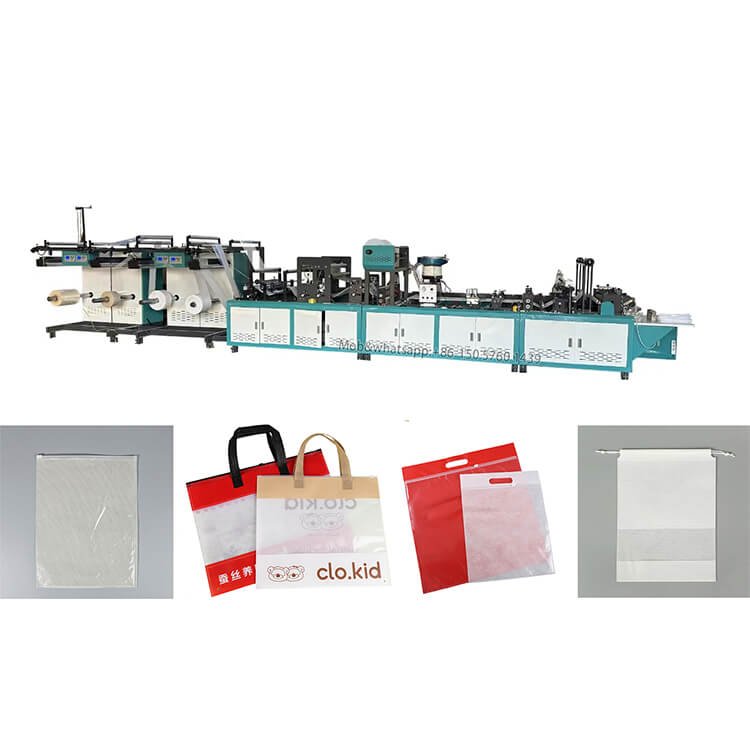
The brief was simple: widen the bag range without stopping the plant. The answer was not a bigger machine first, but a second machine at the right moment — with the first one already running.
| Date | What shipped | Why it mattered |
|---|---|---|
| Sep 2023 | Three-side sealing bag making machine | Started daily pouch production |
| Oct 2023 | Second shipment of the same order | Completed the first installation without a single large changeover |
| Jan 2025 | Wide-web three-side sealing machine | Added the wider format after the first line was proven |
The spacing was deliberate. Splitting the first order across two shipments let the customer install and stabilize the standard line before the wide-web machine arrived. The result was not a plant-wide shutdown but a sequence of manageable steps: install, train, run, then widen.
The lesson is sequencing, not machine size. A converter who buys the biggest line first carries the financing and the learning curve at the same time. A converter who buys production, proves it, and then buys width carries each risk separately — and usually negotiates the second machine from a stronger position.
If you are planning a wide-web upgrade, bring three numbers to the conversation: your current bag width range, the widths your customers are asking for, and the film supply you can actually keep up with. The machine is only one part of the answer.
Send your current bag widths and film specs. We will map a step-by-step configuration instead of quoting the biggest machine on the page.
Last reviewed: October 2026. Specifications and order details are indicative; confirm the current configuration and quotation with VIE Machinery.
