
A graphics house in Maracay replaced the AVT systems on its 1,280 mm flexo presses with a camera-based 100% inspection system. The complete system shipped in two packages, 205 kg gross — small enough to install beside the press, not instead of it.
A flexographic press running thousands of metres per hour also reproduces a defect thousands of times per hour: a streak, a colour drift, a dirty cylinder, a registration error. For a graphics company serving brand owners, those defects do not stay inside the plant — they become a rejected roll, a customer complaint, or a discount at the end of the month.
The company had been running AVT inspection systems on its presses. As the systems aged, spare parts and service became harder to justify; the choice was to keep patching the old platform or move to a current camera system with a supported upgrade path.
The material mix set the requirement. The plant prints on polypropylene and polyethylene, with a maximum printing width of 1,280 mm. The defects that matter are registration, colour variation and stains — the everyday faults that a sampling inspector catches late, if at all.
The system also had to integrate with an existing press line. A full inspection platform with a large footprint and a long installation window would have turned a quality upgrade into a production project.
The answer was an OK-6000 series 100% inspection system: cameras watch the moving web, compare it against an approved reference, and flag registration, colour and surface defects in real time. The operator sees the defect position on screen, so the roll can be marked or corrected before it leaves the floor.
Two practical details made the project fit the plant. First, the system is compact: the complete shipment was two packages at 205 kg gross, which meant it could be integrated beside the existing press rather than requiring a line rebuild. Second, the production lead time for this class of system is 7–10 working days — the shortest in VIE’s range — so the press did not sit idle waiting for a long build.
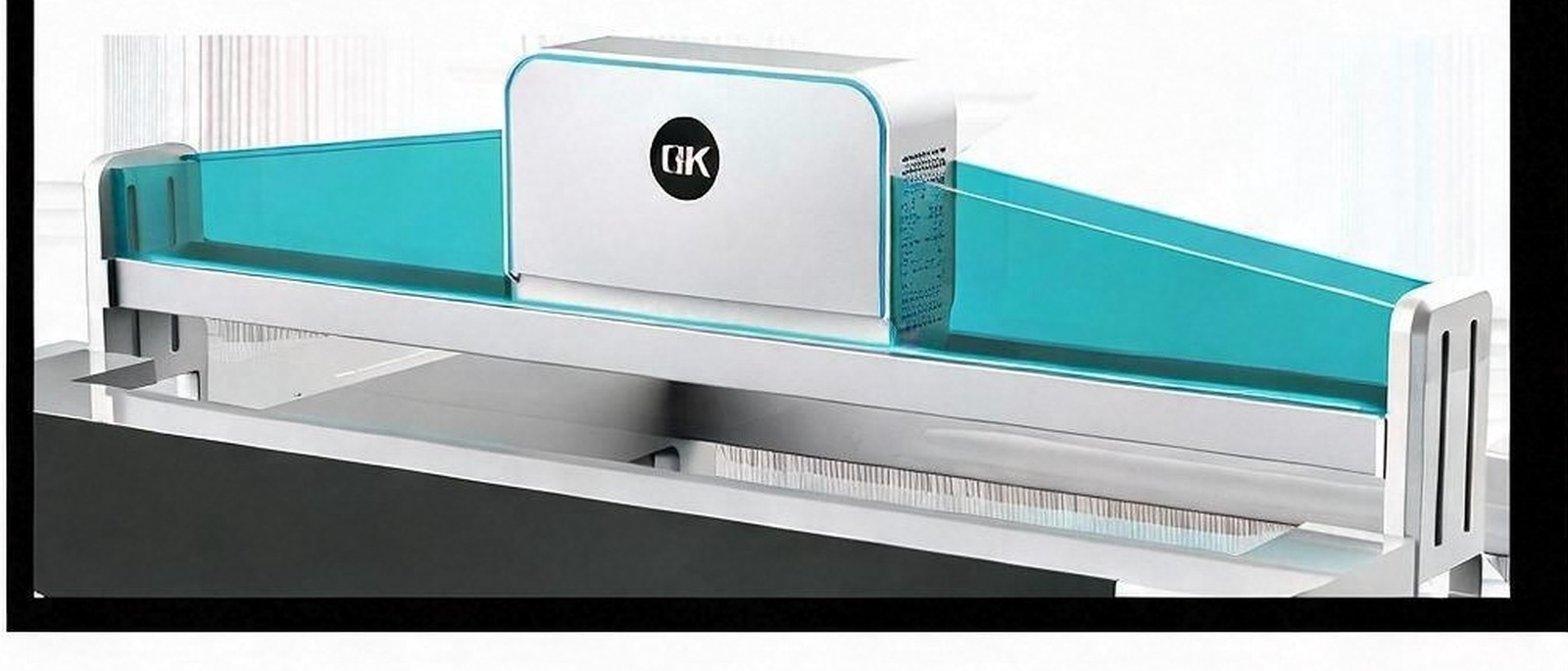
“Registration, colours, stains… PP and PE. The max printing width is 1,280 mm.”
The system shipped from Ningbo in 2026 and travelled via the Colón Free Zone in Panama, with final delivery to Puerto Cabello. That is the routing shown on the bill of lading for this shipment, and it is a familiar path for Venezuelan-bound cargo: consolidate in Panama, clear once, then move the container to the final port.
The inspection unit was part of a consolidated multi-equipment order, sharing container space with other machinery in the same project. For the customer, that meant one shipping plan and one clearance file instead of three separate imports.
Automatic web inspection pays back fastest where defects are expensive: short-run premium work, flexible packaging, and any job where a rejected roll costs more than the camera. The integration effort is usually smaller than buyers expect — the hard part is not installing hardware, it is choosing the alarm rules so the system flags real defects instead of training operators to ignore it.
If you are replacing an older inspection platform, ask for the defect recipe setup, the reference-image workflow and the spare-part path for the cameras. Those three answers decide whether the system is still trusted in year three.
Send your web width, material and print speed. We will match an inspection configuration to the line and confirm the installation scope.
Last reviewed: October 2026. Specifications and order details are indicative; confirm the current configuration and quotation with VIE Machinery.
