
Two orders in 2025 put knife blocks and cutting blades on a Zambian converter’s shelf before the old ones failed. The second order is the interesting one: it means the first one worked.
Every converting line has a wear part that sets the maintenance calendar. On a cutting line, it is the blade: it dulls on a predictable curve, and when it goes past the limit the product changes before the operator notices — burrs, dust, ragged edges, rejects.
For a producer in Zambia, the question was never whether blades would need replacing. It was whether the replacement would arrive before production stopped. Imported wear parts carry a lead time, and a line waiting for a blade is a line losing orders. A single stopped line can cost more per day than a year of blades.
In 2025, VIE supplied knife blocks and cutting blades to the customer in two orders — one in May, one in October. The first covered an immediate need. The second, placed months later, was the signal that the first had worked: the customer was now stocking wear parts ahead of failure instead of buying them in a panic.
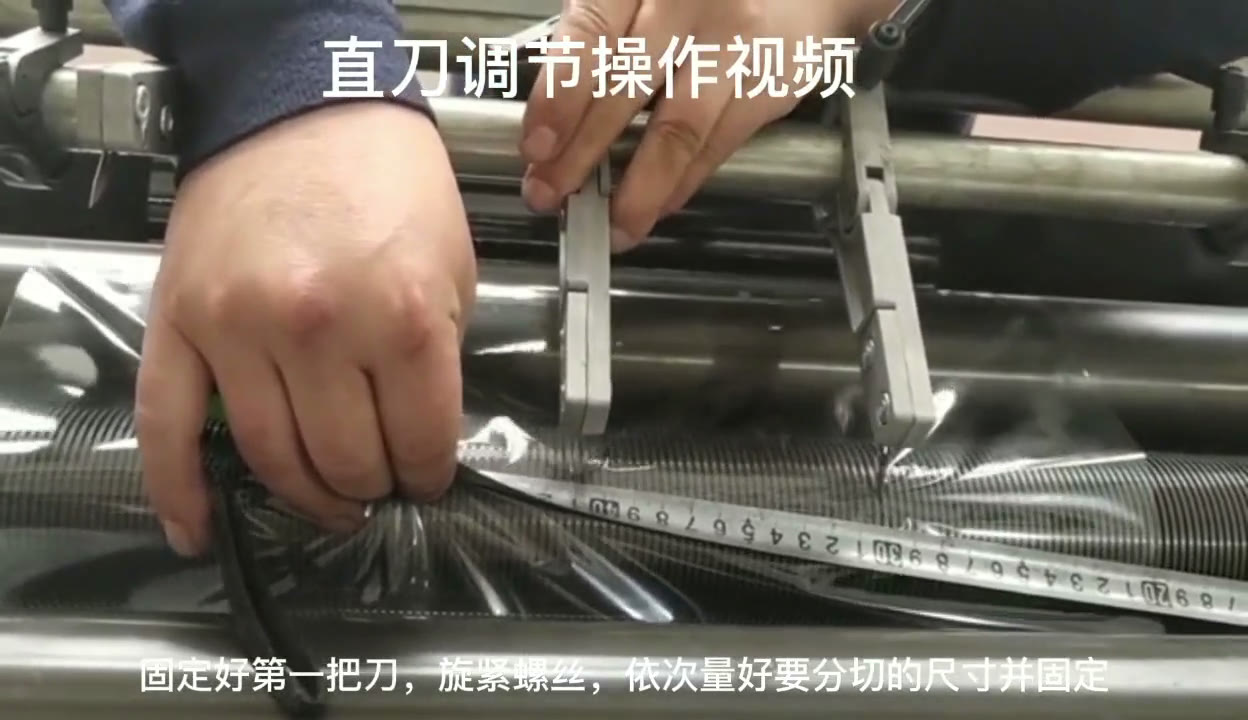
Knife blocks are not a universal part. The block, the blade angle and the mounting pattern have to match the cutting station; a part that is close but not exact can damage the holder or produce a cut that fails inspection. That is why the first step in a spare-parts order is identification, not price.
The parts themselves are unforgiving cargo: hardened steel, precise edges, weight concentrated in small blocks. Each set was packed and photographed before dispatch, so the customer could verify what left the factory before the carton arrived.
The first order solved a stoppage. The second order was the real vote of confidence — we were buying ahead of the failure curve, not behind it.
When you compare machine suppliers, ask one question first: ‘What happens fourteen months from now, when a blade wears out?’ The answer should include part numbers on file, packing that survives the route, and a reorder process that takes days, not weeks.
The same logic applies if the machine was not bought from us new. Send a photo of the part and the machine plate; matching a wear part is usually a measurement exercise, not a brand question. Keep one full cycle of wear parts on the shelf, and reorder when the first item is opened, not when the last one fails.
Send part photos and the machine model. We will match the knife block or blade and quote the fastest shipping route.
Last reviewed: October 2026. Specifications and order details are indicative; confirm the current configuration and quotation with VIE Machinery.
