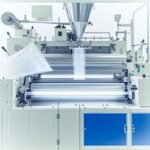
Quick answer: A plastic bag line is four stations, and the first question is how many of them you need to own: film blowing (VSJ-R Co-extrusion film blowing machine(rotary die head), film width 100–1200 mm), printing (VFP-E Flexographic Printing Machine, 1–6 colour, 10–50 m/min, web width up to 1200 mm), bag making (VTB High speed T-shirt bag making machine at 30–300 pcs/min, or VBM-R Roll Bag Making Machine up to 200 pcs/min) and cutting and sealing (VCS Central sealing Machine, 35–40 m/min). Buying printed film from a converter removes station one and most of the floor space it needs; making your own film lets you set resin, thickness and colour at the roll stage.
Starting a plastic bag manufacturing business can be a lucrative venture, especially with the rising demand for both conventional and biodegradable options. This guide will walk you through the essential steps and considerations to help you get started in this industry.
Understanding the Market
The first step in starting a plastic bag manufacturing business is understanding the market. Conventional plastic bags have been a staple for decades, but there’s a growing trend towards environmentally friendly options like biodegradable plastic bags. Research your target market to determine the demand for each type and the competitive landscape.
Setting Up Your Business
Business Plan
Creating a detailed business plan is crucial. This plan should outline your business goals, target market, competitive analysis, marketing strategy, and financial projections. A well-thought-out business plan can help secure financing and guide your operations.
Location and Infrastructure
Choosing the right location is vital. Look for areas with easy access to raw materials and transportation networks. You’ll need space for machinery, storage, and office operations. Make sure to comply with local zoning laws and environmental regulations.
Financial Investments
Starting a plastic bag manufacturing business requires significant capital investment. You’ll need to budget for:
- Land and building costs
- Machinery and equipment
- Raw materials
- Labor costs
- Utilities and other operational expenses
It’s essential to conduct a thorough cost analysis to ensure your business is financially viable.
Machinery and Equipment
Conventional Plastic Bag Manufacturing
Four stations, and you can start at the third one if you buy film already printed:
- Film blowing — VSJ-R Co-extrusion film blowing machine(rotary die head) for multi-layer film, 100–1200 mm blown width.
- Printing — VFP-E Flexographic Printing Machine (1–6 colour, 10–50 m/min) or VFP-H High Speed Flexographic Printing Machine (10–100 m/min) once volume justifies it.
- Bag making — VTB High speed T-shirt bag making machine for T-shirt and shopping bags, VBM-R Roll Bag Making Machine for roll bags, VZB Three-side sealing Bag Making Machine for flat three-side-seal bags.
- Cutting and sealing — VCS Central sealing Machine at 35–40 m/min.
Biodegradable Plastic Bag Manufacturing
Manufacturing biodegradable bags requires similar machinery, but you’ll need to ensure they can handle biodegradable materials. Additionally, you might need specialized equipment for processing biodegradable resins.
Raw Materials
Conventional Plastic Bags
The primary raw material for conventional plastic bags is polyethylene. You’ll need to source high-quality polyethylene to ensure durable and reliable products. Consider establishing relationships with reliable suppliers to ensure a steady supply.
Biodegradable Plastic Bags
Biodegradable bags are made from materials like polylactic acid (PLA) or polyhydroxyalkanoates (PHA). These materials are derived from renewable resources and decompose naturally. Understanding the costs and sourcing of these materials is crucial for your business’s success.
Production Process
Recycling and Pelletizing
To produce plastic bags, you can recycle plastic film and convert it into pellets. This process involves:
- Collecting and sorting plastic film waste
- Cleaning and shredding the waste
- Melting and extruding the shredded plastic into pellets
Extrusion and Printing
Once you have the pellets, they are melted and extruded into thin films. These films are then printed with your desired designs and logos. Investing in high-quality printing machinery can help create attractive and customized products.
Cutting and Sealing
The printed films are cut and sealed into the desired bag shapes and sizes. This step is crucial for ensuring the bags meet your quality standards and customer requirements.
Marketing and Sales
Effective marketing and sales strategies are essential for your business’s success. Consider the following approaches:
- Developing an online presence through a website and social media
- Attending trade shows and industry events
- Building relationships with retailers and wholesalers
- Offering competitive pricing and bulk discounts
Understanding the market and customer needs can help you tailor your products and marketing efforts effectively.
FAQs
What are the main differences between conventional and biodegradable plastic bags?
Conventional plastic bags are made from polyethylene, a non-renewable resource, and can take hundreds of years to decompose. Biodegradable plastic bags, on the other hand, are made from renewable resources like PLA or PHA and decompose naturally, reducing environmental impact.
How much capital is required to start a plastic bag manufacturing business?
Capital need is set by how many of the four stations you own. A converter who buys printed film and only seals and cuts runs one or two machines in a small building; a fully integrated plant carries the extrusion line, the printing line, several bag machines and, if volume justifies it, a reclaim line. Price each station separately and start from the station that would otherwise be your bottleneck.
What are the key challenges in the plastic bag manufacturing industry?
Key challenges include sourcing high-quality raw materials, maintaining consistent product quality, complying with environmental regulations, and competing with established manufacturers. Addressing these challenges requires careful planning and continuous improvement.
How can I make my plastic bag manufacturing business more sustainable?
Consider using recycled materials, investing in biodegradable options, and implementing energy-efficient practices in your production process. Additionally, educating your customers about the benefits of sustainable products can help build a loyal customer base.
Is there a growing demand for biodegradable plastic bags?
Yes, there is a significant and growing demand for biodegradable plastic bags as consumers and businesses become more environmentally conscious. This trend presents a real opening for converters who can document the film they buy. On compostable resin the same heat-seal machines are used, run at a lower sealing temperature and slower line speed.
What warranty and after-sales support comes with the machine?
Every VIE machine carries a 2-year warranty counted from the date the machine arrives, excluding normal wear parts, plus lifetime technical support. An engineer can be sent for on-site installation and commissioning. Lead time is 7–45 days depending on the machine type.
Starting a plastic bag manufacturing business requires careful planning, significant investment, and a thorough understanding of the market. By focusing on both conventional and biodegradable options, you can tap into a diverse customer base and stay ahead of market trends. With the right strategy and commitment to quality, your business can thrive in this competitive industry.
Bag size, film thickness and target output are what decide the machine — send them on our contact page and we will reply with a machine recommendation.